MEP permits

Trade permits that match the building set, filed in the right sequence so inspections don't hold up the walls. Licensed architects and engineers in-house since 1999.

A row of new HVAC condenser units with spinning fans on a flat commercial roof
Typical first review1–6 weeksDMV jurisdictions12Drawn and stampedIn-house since 1999

MEP Permits, explained

Mechanical, electrical and plumbing permits, engineer-sealed.

MEP stands for mechanical, electrical, and plumbing. In most DMV jurisdictions these are filed as separate trade permits alongside the building permit rather than folded into it, which surprises people who assumed one application covered the whole job. Each trade has its own reviewer, its own code chapter, and its own inspection sequence. Energy compliance documentation is the single most common thing missing from an MEP submission, and it is also the easiest correction to avoid.

Review times

MEP Permits review times by jurisdiction

Typical first review for mechanical, electrical and plumbing permits, from each office's published figures. Where an office publishes no figure for that, its closest path is shown and named. Fairfax County, Arlington, Alexandria and Montgomery County figures last verified August 10, 2026. Fewer comment rounds is the part you control.

  • Fairfax County2–5 weeks
  • Arlington2–4 weeks
  • Alexandria (Trade Permits)Varies by record type and completeness
  • Montgomery County3–6 weeks
  • Loudoun County1–3 weeks
  • Stafford County1–3 weeks
  • Howard County2–5 weeks
  • Prince George's County2–5 weeks
  • Baltimore County2–5 weeks

MEP Permits

When you need it

  • HVAC equipmentInstalling, replacing, or relocating HVAC equipment, ductwork, or a heat pump
  • Electrical service and circuitsAny new electrical service, panel upgrade, or added circuits beyond a like-for-like swap
  • Plumbing and gasMoving or adding plumbing fixtures, water heaters, or gas piping
  • Restaurant kitchensRestaurant and food service work: hoods, grease interception, make-up air
  • Generators, EV and solarGenerator, EV charger, and solar interconnection work
  • Commercial fit-outsAny commercial fit-out, where MEP trade permits generally run alongside the building permit

MEP Permits

What the service covers

Mechanical, Electrical, Plumbing (MEP) related permits on residential and commercial projects. Our licensed engineers ensure all MEP documentation meets current code requirements.

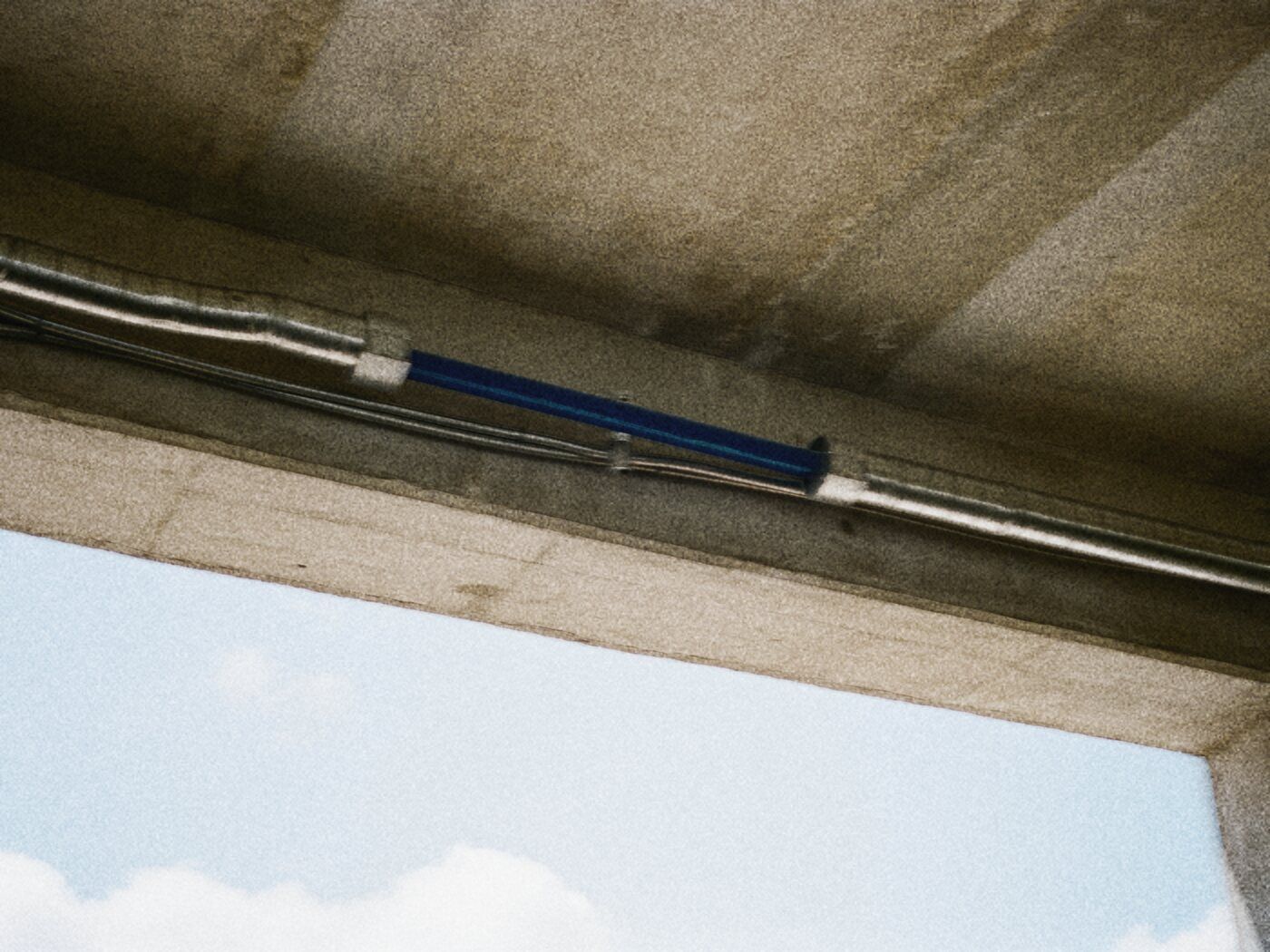
Grey conduit and a blue pipe running along the underside of a concrete beam
Separate tradesIn most DMV jurisdictions, mechanical, electrical and plumbing are filed as separate trade permits.

Documents

Documents usually required

  1. Mechanical drawings with equipment schedules and duct layouts
  2. Electrical drawings with panel schedules and load calculations
  3. Plumbing drawings with fixture counts and riser diagrams
  4. Energy compliance documentation for the affected systems
  5. Manufacturer cut sheets for specified equipment
  6. Trade contractor licenses for the jurisdiction being filed in

What we deliver

What we deliver, step by step

  1. Step 1 of 6

    Engineer-sealed MEP drawings

    MEP drawings prepared and sealed by our licensed professional engineers

  2. Step 2 of 6

    Loads and schedules

    Load calculations and equipment schedules sized to the actual scope

  3. Step 3 of 6

    Energy compliance

    Energy compliance documentation, ResCheck or COMcheck as the scope requires

  4. Step 4 of 6

    Separate trade filings

    Separate trade permit applications filed and tracked per jurisdiction practice

  5. Step 5 of 6

    Kept in sequence

    Coordination so the trade permits and the building permit do not fall out of sequence

  6. Step 6 of 6

    Comments and inspections

    Comment responses and inspection scheduling through final approval

FAQs

MEP Permits questions

Do MEP permits get filed separately from the building permit?

In most DMV jurisdictions, yes. Mechanical, electrical, and plumbing are typically separate trade applications reviewed by separate reviewers, even when they belong to one project. They also have to stay in sequence with the building permit, which is where projects most often trip.

Do I need a permit to replace an HVAC system?

Usually yes. A like-for-like equipment swap is permitted work in most jurisdictions, and a change in capacity, fuel type, or duct configuration certainly is. The inspection at the end is also what protects you if the equipment fails while under warranty.

What is ResCheck and COMcheck and why do reviewers ask for them?

They are the standard compliance reports showing a building meets the energy code, ResCheck for residential and COMcheck for commercial. Most DMV jurisdictions require one with any MEP submission that affects the thermal envelope or system efficiency. Missing energy documentation is one of the most common triggers for a correction cycle.

Can one company handle all three trades?

Yes. PermitCare prepares mechanical, electrical, and plumbing drawings in house and files them together, which avoids the coordination gap that appears when three separate parties submit against slightly different versions of the same plan set.

What happens next

  1. Step 1We read your details and check the property's jurisdiction.
  2. Step 2We call you within one business day to ask anything missing.
  3. Step 3You get the permit plan and a written price. You decide.

“Mr. Moshfeq of Permit care is a wonderful person and a with a high degree of professionalism. I would recommend him to anyone who need assistance in securing building permits fast.”

Benson Stephen

Send the scope and the jurisdiction.

We'll tell you which trade permits it needs and how to sequence them.